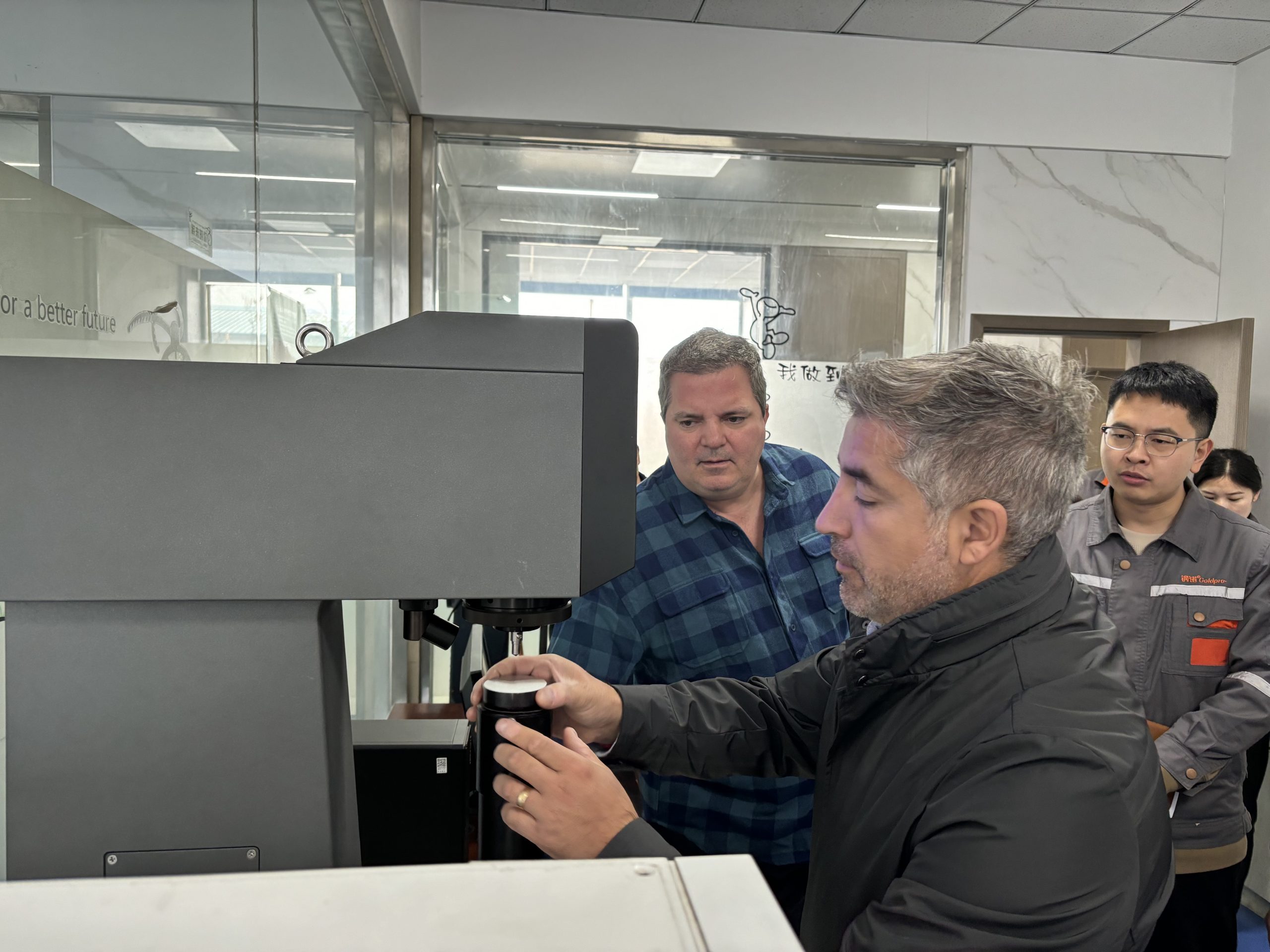
R&D Platform
Platforms including the Hebei Provincial Enterprise Technology Center, Postdoctoral Innovation Practice Base, and Academician Workstation provide institutional support for materials and heat treatment R&D.
Designing materials, specifications, and heat treatment routes by integrating ore hardness, abrasiveness, mill diameter, rotational speed, filling degree, and current media performance
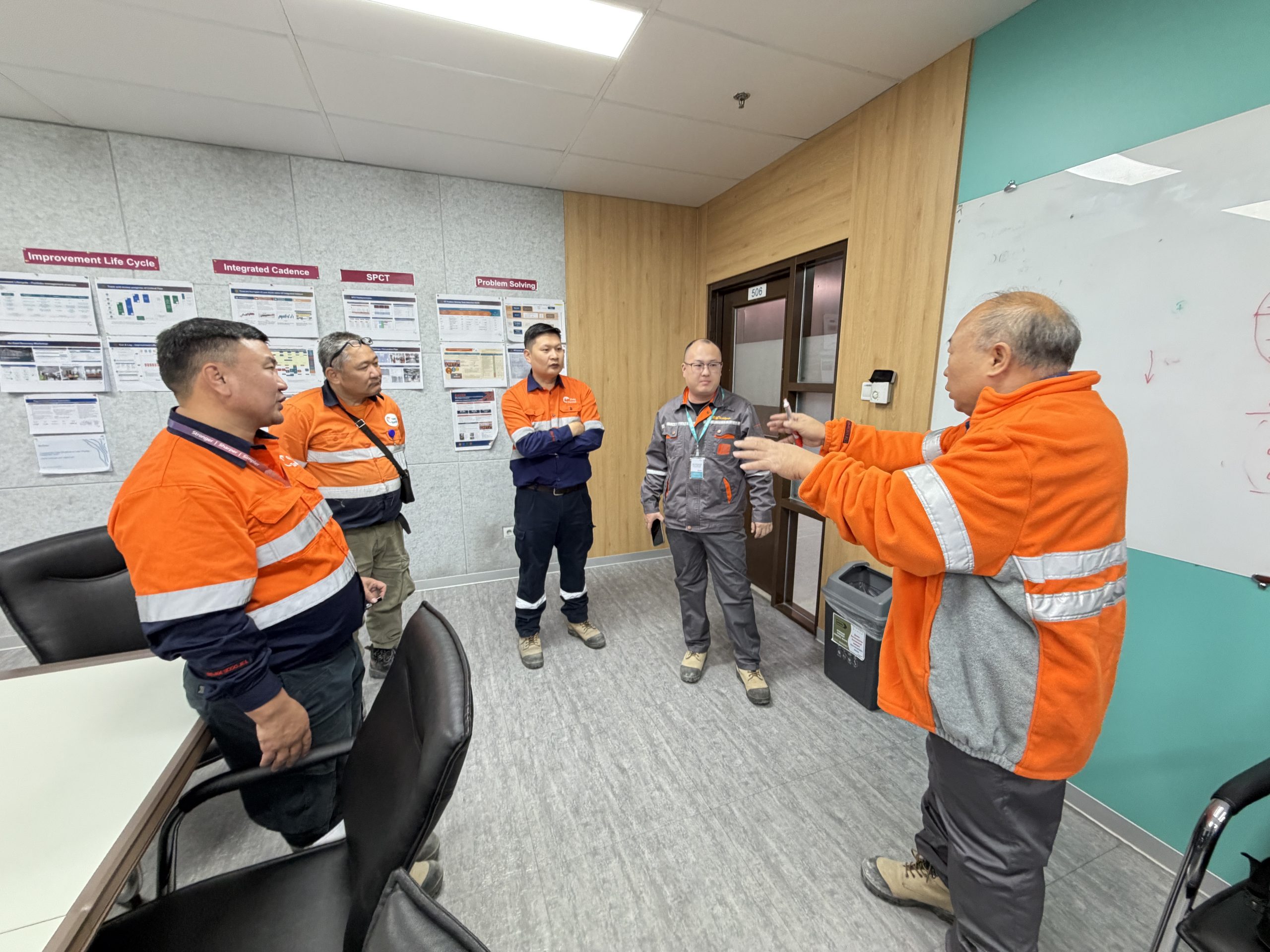
Technology patents and core results
Cooperation in higher education
Quality management system
Dropping test capability
Collaborating with universities to establish joint R&D platforms, we integrate material design, technical development, and on-site application to turn technological advances into tangible value for customers.
Platforms including the Hebei Provincial Enterprise Technology Center, Postdoctoral Innovation Practice Base, and Academician Workstation provide institutional support for materials and heat treatment R&D.
Established collaborative partnerships with multiple universities, including the University of Science and Technology Beijing, Beijing University of Technology, Hebei University of Technology, and Jiangxi University of Science and Technology.
We leverage patents, standards, testing, and on-site performance data to drive continuous product improvement, translating R&D achievements into energy savings, reduced consumption, and more stable operations for our customers.
Combining Advanced Materials Research, Mineral Processing Expertise, and Hands-On Field Experience.

 00
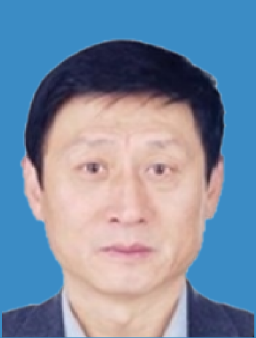
Chief Advanced Materials Expert
A Professor-level Senior Engineer with extensive experience in the R&D of new wear-resistant grinding ball materials. He developed the GN series of grinding ball materials and successfully overcame the challenge of grinding ball breakage under high-impact mining conditions. He established a complete R&D and testing platform for the company, and has turned multiple patents into real-world industrial applications.
 01
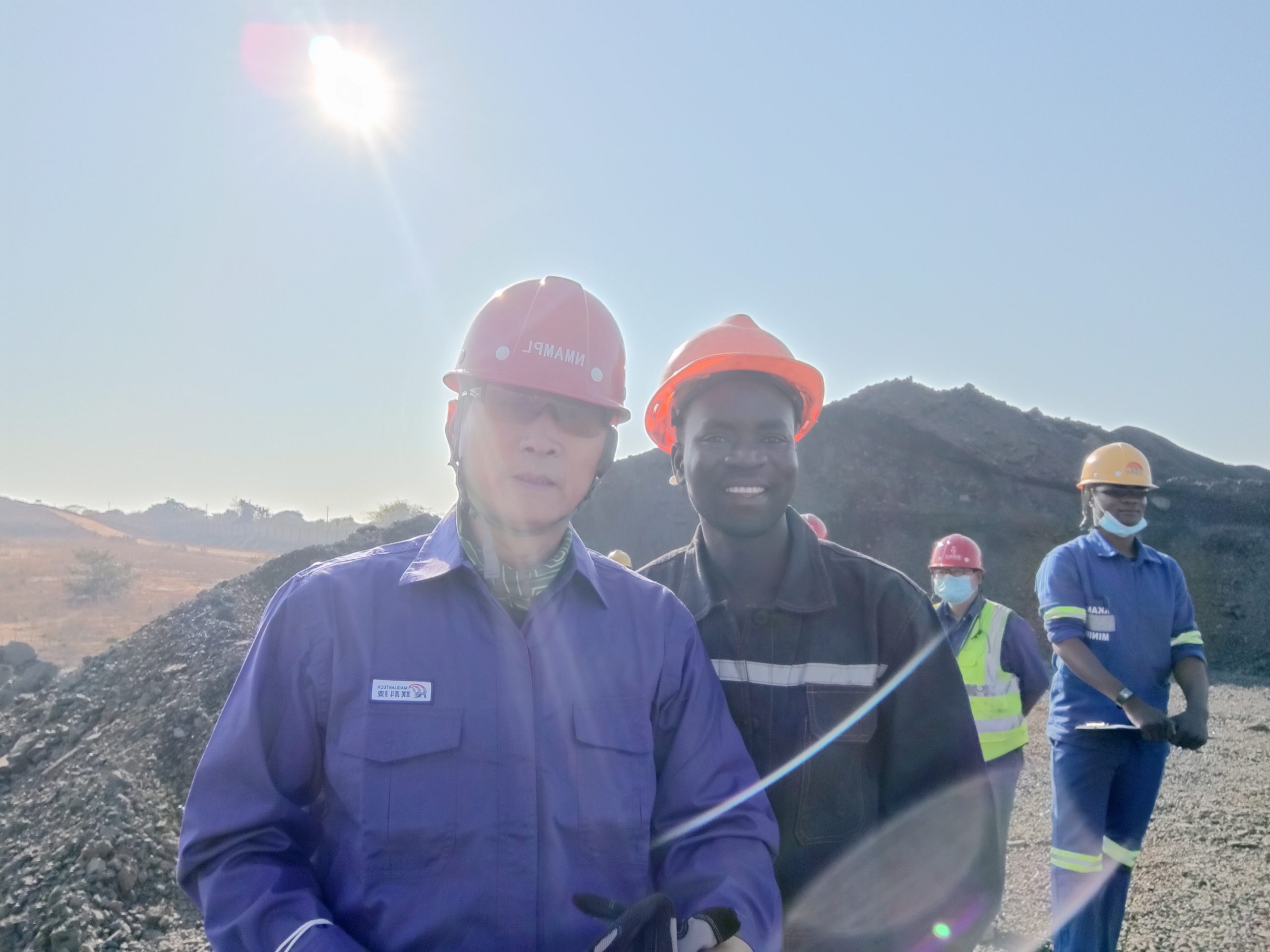
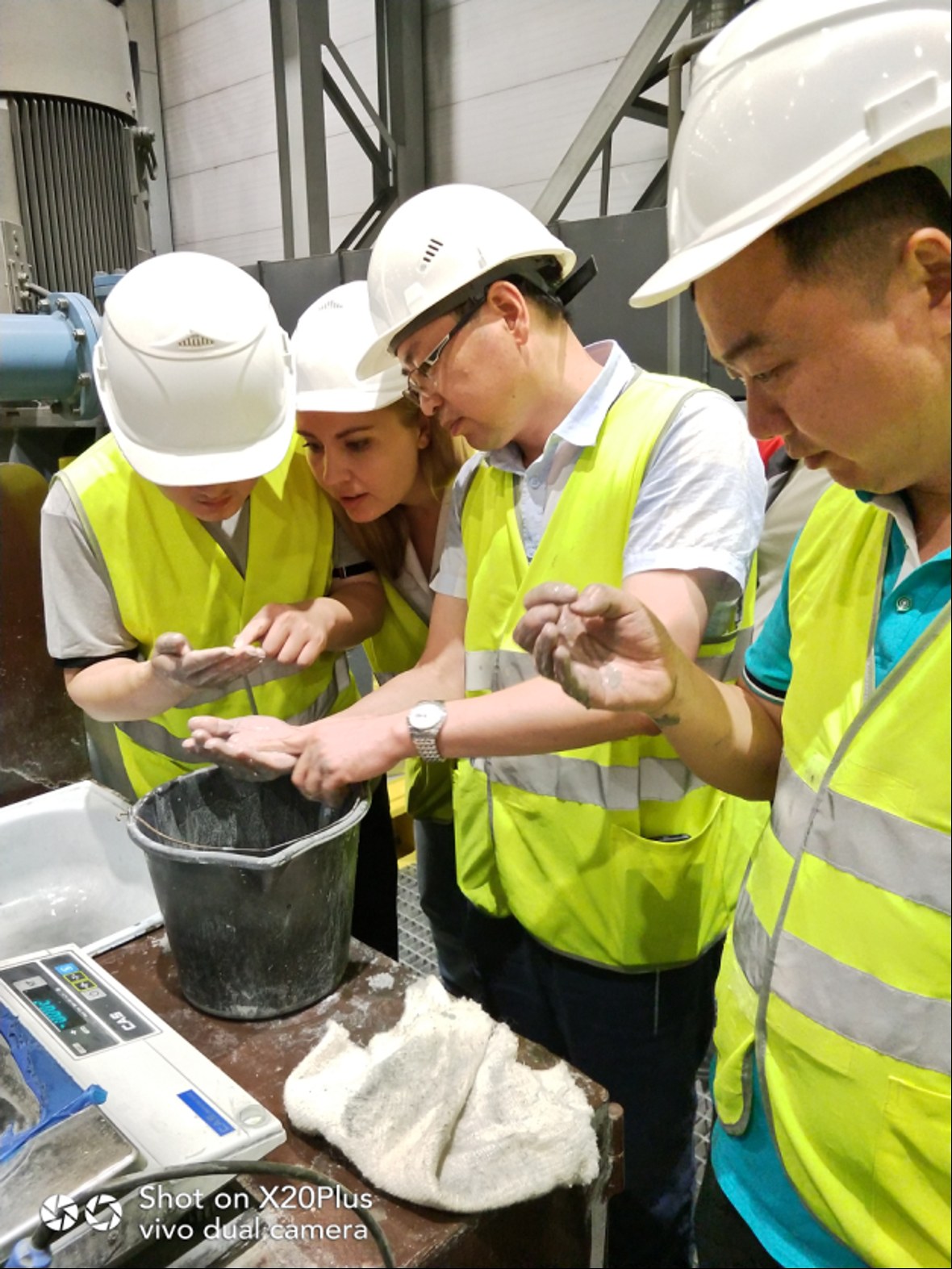
Chief Mineral Processing Expert
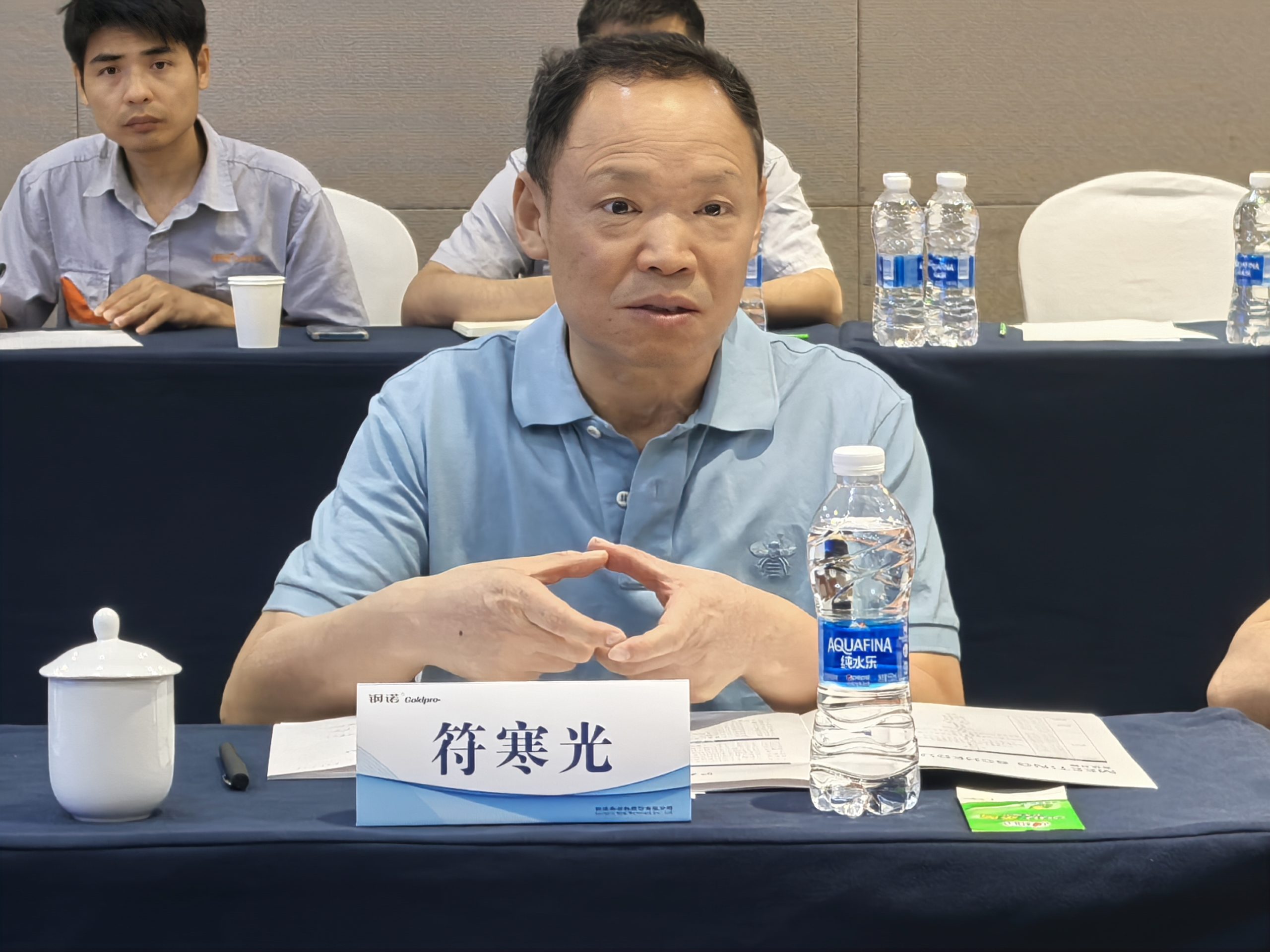
He has extensive experience in the technology and management of non-ferrous metal mines. Throughout his career, he has held several key positions, including Mineral Processing Plant Manager, Chief Mine Engineer, Director of the Group's Mineral Processing Research Institute, Chief Engineer of a Mining Design and Research Institute, and Chief Mineral Processing Expert for Digital Transformation at Huawei Mining Corps.
 02
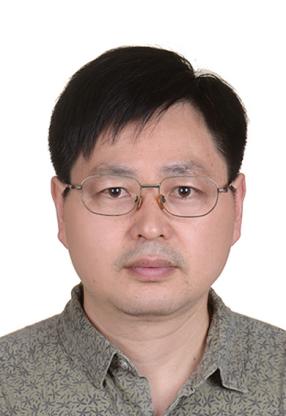
Mineral Processing Expert
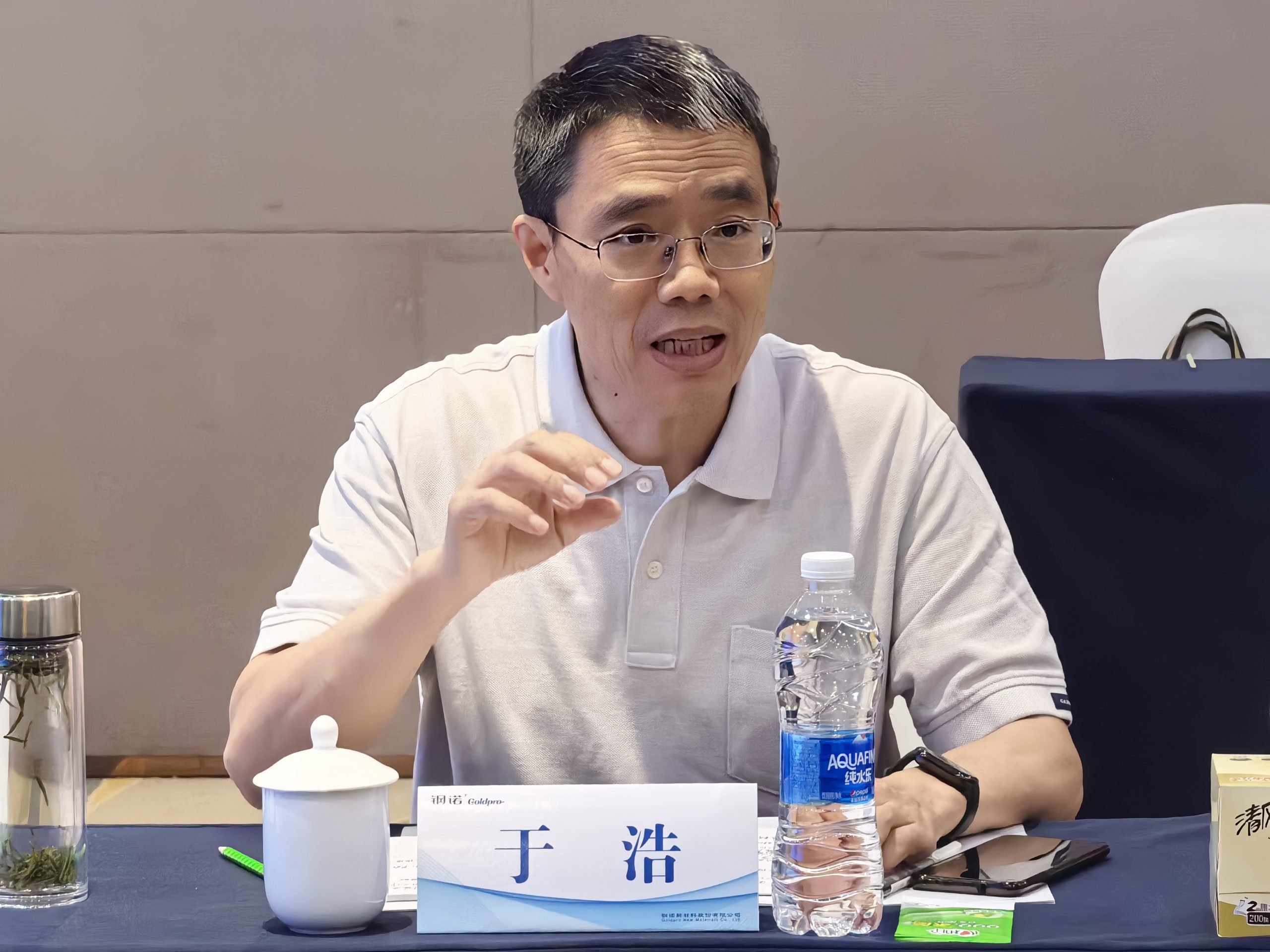
He is a doctoral supervisor and National Level II Professor at Jiangxi University of Science and Technology. His teaching and research focus on mineral processing and ore processability, with particular expertise in grinding process optimization, energy conservation, and consumption reduction.
Products are tested on a 16-meter-high drop-ball testing machine and withstand over 20,000 drops without breakage or spalling. In semi-autogenous grinding (SAG) mills larger than 12 meters in diameter, the actual breakage rate stays at or below 0.5%.
Through self-developed process control equipment and a rigorous quality management system, we ensure stable product quality and uniform performance across batches.
Our products feature high hardness with a uniform hardness profile across their effective diameter. They maintain their spherical shape without deformation or loss of roundness throughout their service life. Grinding media utilization exceeds 90%, and specific consumption is over 10% lower than that of comparable products.
We tailor product performance to each mine's specific operating conditions, delivering grinding media solutions that help achieve safer, more environmentally friendly, and more energy-efficient mining with sustained reductions in energy consumption.
Total Quality Management covers far more than product quality, balancing cost, lead time, service and other key elements.
Whole-process Quality Management spans all value-added links in our value chain and monitors every procedure.
Everyone values product quality, finds and fixes problems in their work, and takes responsibility for quality outcomes.
It requires us to uphold the principle of customer first.
It requires us to put requirements and standards first, forestall risks and nip problems at the initial stage.
It requires us to collect and analyze data with scientific methods, trace back to the source and identify the root cause of problems.
It require us to pursue continuous improvement with systematic thinking, staying unsatisfied with the status quo and striving for constant progress.